
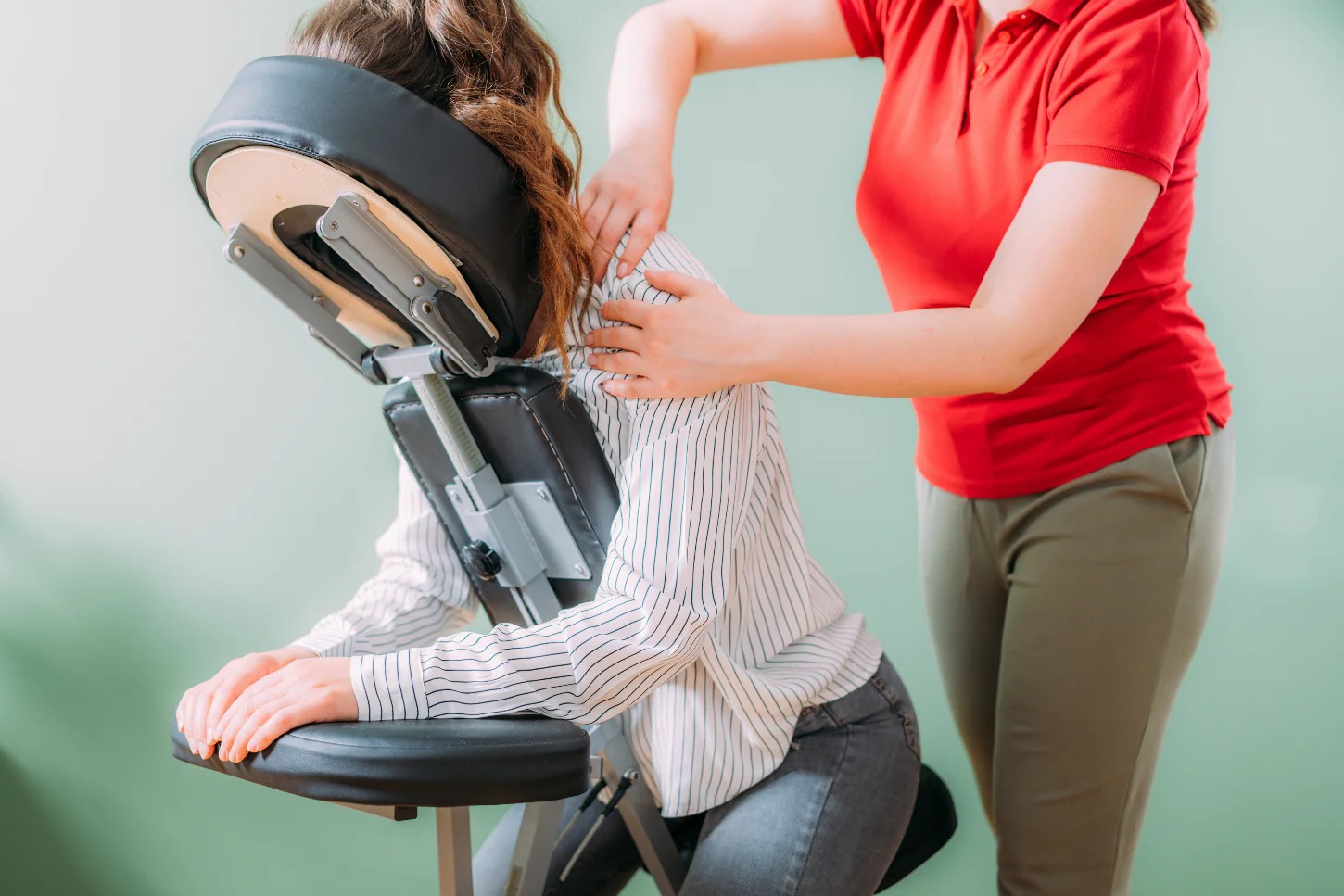
In today’s fast-paced work environment, physical stress has become a common concern for many individuals. Long hours spent sitting at desks, repetitive movements, and poor posture can contribute to muscle tension, stiffness, and overall discomfort. As people seek effective ways to alleviate these symptoms, massage chairs have emerged as a popular solution. But can massage chairs genuinely help with the physical stress caused by work? The answer is promising but requires a closer look at how these devices function and their benefits.
Massage chairs are designed to mimic the techniques used by professional massage therapists. They typically incorporate features such as kneading rollers, tapping mechanisms, vibration settings, and heat therapy to target various muscle groups. These functions aim to improve blood circulation, reduce muscle tightness, and promote relaxation throughout the body. For individuals experiencing physical stress from prolonged desk work or physically demanding jobs, using a massage chair reviews can provide much-needed relief.
One of the primary benefits of massage chairs is their ability to soothe sore muscles after extended periods of strain. Sitting for hours without adequate movement often leads to tension in the neck, shoulders, back, and lower limbs. A session in a well-equipped massage chair helps loosen these tight muscles by applying consistent pressure along key areas prone to stiffness. This not only reduces pain but also increases flexibility and range of motion over time.
Additionally, massage chairs contribute significantly to lowering stress levels on both physical and mental fronts. When muscles relax under gentle manipulation combined with heat therapy or vibration modes, it triggers the release of endorphins-natural chemicals that elevate mood and reduce pain perception. This biochemical response helps counteract fatigue brought on by demanding workloads while promoting restful sleep patterns essential for recovery.
However, it is important to recognize that while massage chairs offer substantial benefits for managing work-related physical stress symptoms temporarily or preventatively; they do not replace professional medical advice or treatment when serious conditions arise such as chronic musculoskeletal disorders or nerve impingements caused by workplace ergonomics issues.
1. Consistency matters-Regular sessions rather than sporadic use yield better long-term results. 2. Combine usage with ergonomic improvements-Adjusting workspace setups alongside massages enhances overall well-being. 3. Listen to your body-Avoid overuse which may lead to bruising or soreness instead of relief. 4. Consider complementary practices like stretching exercises or physiotherapy if persistent pain occurs.


