
Cement grouting is a widely used technique in construction and civil engineering that involves injecting a fluid mixture of cement, water, and sometimes additives into voids, cracks, or porous materials to improve their strength and stability. This process is essential for reinforcing foundations, sealing leaks, stabilizing soil, and enhancing the durability of various structures. Understanding the different cement grouting techniques can significantly improve project outcomes by ensuring better penetration, bonding, and long-term performance.
One common method is permeation grouting, which involves injecting low-viscosity grout under pressure into fine soils or rock formations without disturbing their structure. This technique fills the voids between soil particles or fractures in rocks to reduce permeability and increase load-bearing capacity. Permeation grouting requires careful control of injection pressure to avoid fracturing the ground while achieving optimal pumpable grout distribution.
Another important technique is compaction grouting. Unlike permeation grouting that targets small pores, compaction grouting uses a stiff grout mix injected at high pressure to displace weak soils laterally and densify them. This method is particularly effective for improving loose sands or soft clays beneath existing foundations or slabs. The injected grout forms columns that compact surrounding soil layers, increasing bearing capacity and reducing settlement risks.
Jet grouting represents an advanced form of cement injection where high-velocity jets erode soil while simultaneously mixing it with grout to create solidified columns called jet-grout piles. These piles provide strong support for foundations in challenging ground conditions such as loose sands or fill materials with poor load-bearing characteristics. Jet grouting offers precise control over column size and shape through adjustable parameters like rotation speed and jet pressure.
For sealing cracks in concrete structures such as tunnels or dams, chemical admixtures may be added to cement grout mixes to enhance flowability and bonding properties. Additionally, controlled bleeding rates are crucial during curing to prevent shrinkage cracks within the grout itself.
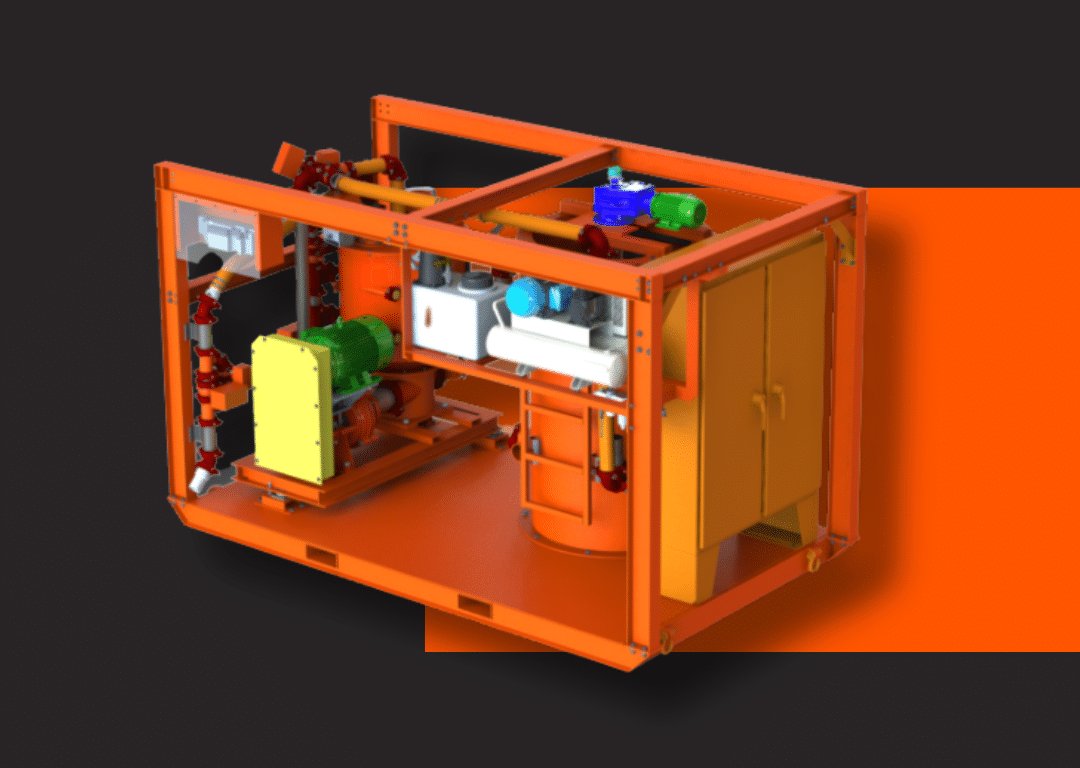
Selecting appropriate equipment also plays a vital role in successful cement grouting applications. Pumps capable of maintaining consistent pressures ensure uniform distribution of grout throughout targeted zones without interruptions or blockages.
In summary, mastering various cement grouting techniques-permeation, compaction, jetting-and understanding material properties alongside proper equipment usage leads to improved structural integrity and longevity across numerous construction projects. By tailoring methods according to site-specific conditions such as soil type, void geometry, desired strength gain requirements combined with skilled execution ensures optimal results from cement grouting interventions worldwide.


